

Choosing the right SAT prep course can make preparation easier and less stressful for your child. A good SAT preparation program gives students a clear study plan, useful practice, expert guidance, and the confidence they need for test day.
But with so many SAT tutoring options available, choosing one can be confusing. This guide explains what parents should look for before selecting an SAT prep course.
What is SAT? Why is SAT Preparation Important?
The SAT (Scholastic Assessment Test) is a standardized test used by many colleges and universities for undergraduate admissions. It mainly tests students’ Reading and Writing and Math skills and helps colleges evaluate academic readiness.
Good SAT preparation gives students time to understand the test, practice regularly, and work on their weak areas. It can also help them feel more comfortable and confident on test day.
A good SAT prep program should help students:
Understand the SAT format
Identify weak areas
Practice SAT-style questions
Improve time management
Learn test-taking strategies
Take practice tests
Track their progress
The goal is not simply to study more. It is to study smarter and focus on the areas that need improvement.
What Types of SAT Prep Courses Can Parents Choose?
There are several types of SAT preparation programs. The right choice depends on your child's learning style, schedule, academic needs, and budget.
1. Private SAT Tutoring
Private SAT tutoring gives students one-on-one attention. The tutor can focus on the student's specific weaknesses instead of following the same plan for everyone.
This can be useful for students who need extra help with SAT Math, Reading and Writing, or time management.
Private tutoring may be a good option if your child:
Needs individual attention
Has specific weak areas
Learns better with personal guidance
Needs a flexible schedule
2. Small Group SAT Classes
Small group classes allow students to learn with other students while receiving guidance from an instructor. They can ask questions, discuss problems, and learn from each other's mistakes.
However, class size matters. A very large class may make it difficult for your child to get enough personal attention.
3. Live Online SAT Prep
Live online SAT prep is another convenient option for families. Students can attend classes from home and interact with an instructor in real time.
This can be especially useful for students with busy schedules or families who want to avoid travel time. Look for live classes that include questions, feedback, practice, and interaction rather than only recorded lessons.
Students who want to improve their performance on challenging questions can also learn how to solve the hardest SAT Math problems.
What Should Parents Look for in an SAT Prep Course?
Not every SAT prep course offers the same support. Parents should compare these key features before choosing a program:
Experienced Instructors: Tutors should understand the SAT, explain difficult topics clearly, and help students fix their mistakes.
Structured Study Plan: Look for a clear plan with lessons, practice questions, mock tests, reviews, and progress tracking.
Practice Tests: Regular SAT practice tests help students understand the exam, improve timing, and feel more confident.
Personalized Feedback: Students should receive feedback based on their strengths, weaknesses, mistakes, and learning needs.
Should Your Child Take a Diagnostic SAT Test First?
Yes. A diagnostic SAT test can give you a useful starting point before choosing a preparation program.
It can show which areas your child already understands and where they need more practice. For example, a student may have strong Math skills but need more help with Reading and Writing.
A diagnostic test can also help create a more focused SAT study plan instead of using the same approach for every student.
How Long Should Students Prepare for the SAT?
There is no single SAT preparation timeline for every student. Some students may need several months, while others may benefit from starting earlier.
The right timeline depends on the student's starting score, target score, school workload, and available study time.
Starting early gives students more time to learn concepts, practice questions, take mock tests, and review mistakes. At the same time, parents should avoid creating an unrealistic schedule.
Consistent practice is usually more useful than studying for many hours only once or twice a week.
How Can Parents Know If the Course is Working?
You do not need to check every homework question to know whether the SAT tutoring program is helping. Instead, look for steady improvement over time.
Parents can track:
Practice test scores
Accuracy by question type
Time spent on questions
Common mistakes
Homework completion
Confidence level
Progress toward the target score
If your child's performance is not improving after regular practice, talk to the instructor. The study strategy may need to change.
What Questions Should Parents Ask Before Enrolling?
Before paying for an SAT prep course, ask a few simple questions. The answers can help you decide whether the program is suitable for your child.
Ask about:
Class size
Instructor experience
Live or recorded lessons
Practice tests
Study materials
Personalized feedback
Progress tracking
Missed-class policies
Schedule flexibility
Parents can also use this helpful tutoring center checklist when comparing tutoring providers.
Why Consider Apian Prep for SAT Preparation?
Finding a tutoring provider that offers structured learning and personalized support can make the preparation process easier for both students and parents.
Apian Prep offers SAT preparation, academic tutoring, SHSAT preparation, and live online tutoring for students with different learning needs.
Its SAT prep program focuses on helping students build important skills, practice effectively, and prepare with greater confidence. Families who prefer flexible learning can also explore live online tutoring.
Whether your child needs SAT preparation, SHSAT support, SHSAT prep courses or academic tutoring, Apian Prep provides options that can fit different learning goals and schedules.
Conclusion
Choosing an SAT prep course does not have to be difficult. Start with your child's needs, compare the important features, and choose a program that offers clear guidance, regular practice, and helpful feedback.
With the right plan and consistent effort, SAT preparation can become less stressful and much more manageable for your child.
Frequently Asked Questions About SAT Prep Courses
1. What is the best SAT prep course for students?
The best SAT prep course depends on your child's starting score, target score, learning style, weak areas, schedule, and preferred format. Personalized support and regular practice can make preparation more effective.
2. When should my child start SAT preparation?
Students can start SAT preparation several months before their test date. Starting early provides more time to identify weaknesses, practice questions, take mock tests, and improve their SAT score.
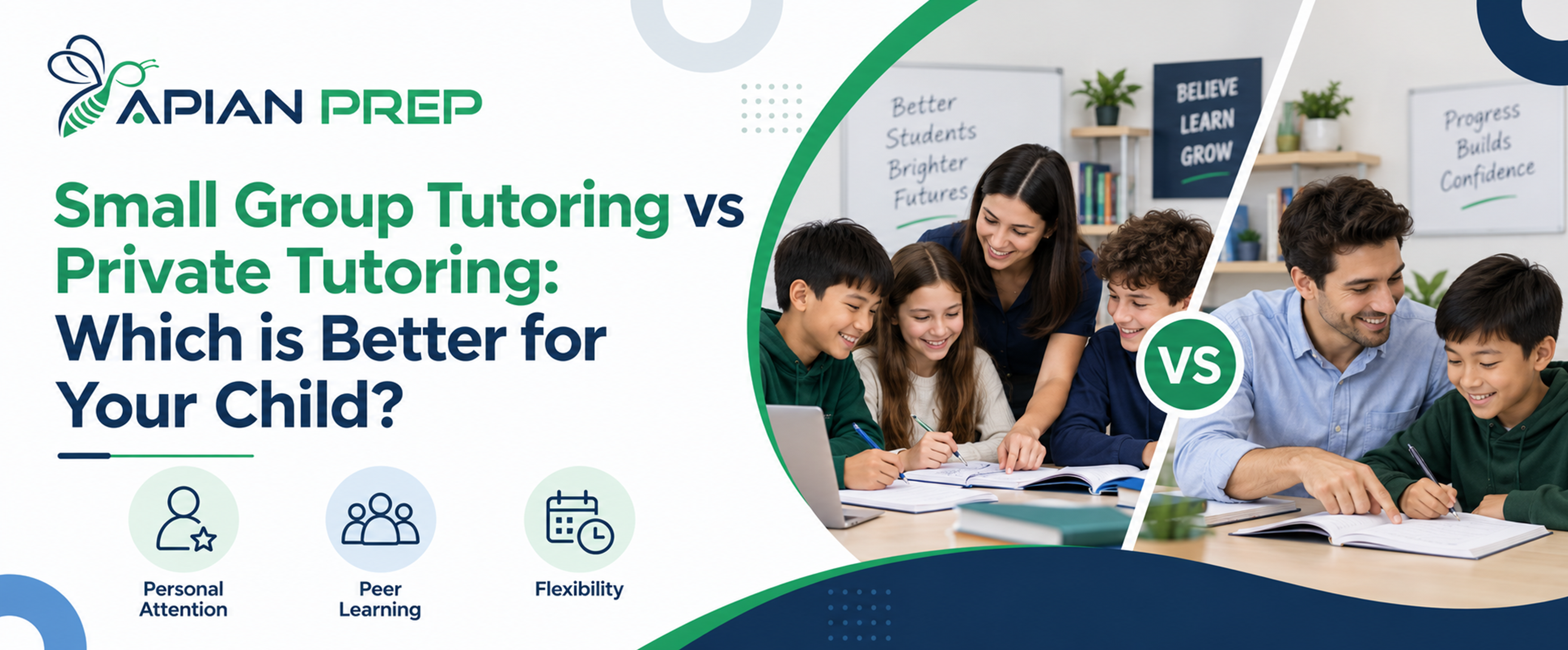
3. Is private SAT tutoring better than group classes?
Private SAT tutoring provides personalized attention, while group classes encourage interaction and collaborative learning. The better option depends on your child's learning style, needs, schedule, and budget.
4. Are online SAT prep courses effective?
Live online SAT prep can be effective when students receive expert instruction, interactive lessons, regular practice, personalized feedback, and progress tracking. The quality of teaching is more important than location.
5. Can SAT tutoring improve my child's SAT score?
SAT tutoring can help students improve by identifying weak areas, providing targeted practice, teaching test-taking strategies, and giving regular feedback. Results also depend on preparation time, effort, and consistency,
.png)